Brain Breaks for 1st Graders: 35 Classroom Ideas That Work
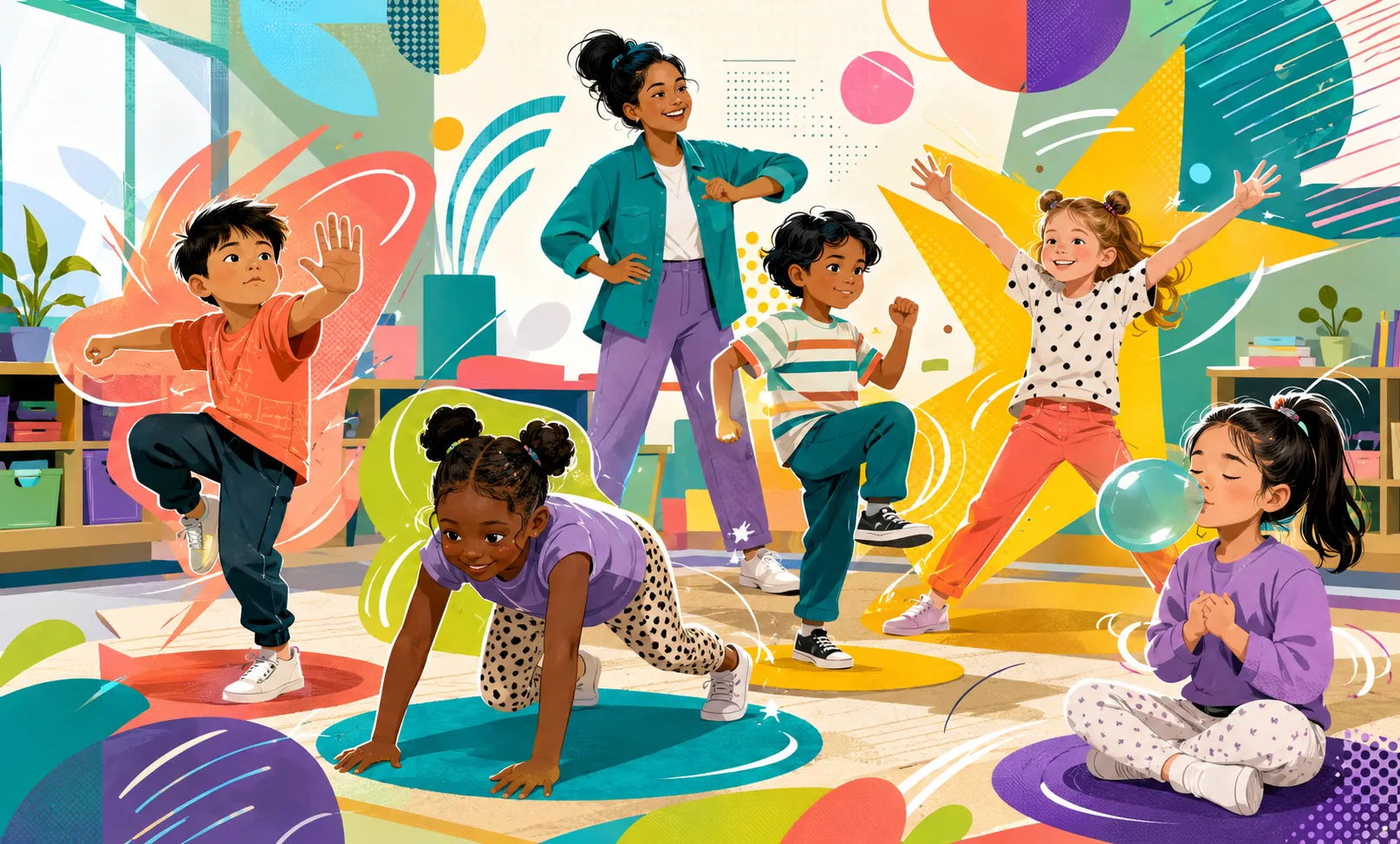
The best brain breaks for 1st graders are short, simple, and easy to stop. First graders need movement, but they also need routines. A good brain break helps students reset their bodies and attention without turning the classroom into a second recess.
Classroom physical activity breaks are widely used because young children are not built to sit still for long stretches. Health.gov and CDC resources both support the value of classroom physical activity as part of a school day. In practice, the most useful breaks last one to five minutes, use clear directions, and match the moment: energize when students are sleepy, calm down when they are overstimulated, and transition when they need to shift tasks.
Table Of Contents
Quick Answer: Best Brain Breaks for 1st Graders
Good brain breaks for 1st graders include:
- 1. Freeze dance
- 2. Animal walks
- 3. Balloon breathing
- 4. Five finger breathing
- 5. Simon Says
- 6. Desk push-ups
- 7. Silent stretching
- 8. Copy my clap
- 9. Math moves
- 10. Ready body check
The best brain break is the one that helps the next lesson go better.
How to Choose the Right Brain Break
Ask:
| Classroom Moment | Best Break Type |
|---|---|
| Students are sleepy | Movement break |
| Students are loud or overstimulated | Calm breathing or silent stretch |
| Transition is messy | Rhythm or line-up routine |
| Before writing | Shoulder, hand, and posture reset |
| After recess or lunch | Quiet sensory break |
| Before math or reading | Academic movement break |
Do not pick the most exciting break every time. Pick the break your class needs.
Movement Brain Breaks for 1st Graders
1. Freeze Dance
Students dance when music plays and freeze when it stops. Keep the song short.
2. Animal Walks
Call out bear, crab, frog, penguin, or flamingo. Students move safely in place or around desks.
3. 10 Jumping Jacks
Count together to keep the pace controlled.
4. March and Count
March while counting by ones, twos, fives, or tens.
5. Follow the Leader
Teacher leads simple moves: reach, twist, march, clap, stretch.
6. Simon Says
Use movement commands and listening practice.
7. Sky, Floor, Wall
Students point or stretch toward each direction.
8. Desk Push-Ups
Hands on desk, feet still, slow pushes. Model safety first.
9. Invisible Jump Rope
Students pretend to jump rope in place.
10. Shape Stretch
Make a star, pencil, circle, triangle, or tree.
Calm Brain Breaks
11. Balloon Breathing
Students pretend their belly is a balloon filling and emptying.
12. Five Finger Breathing
Trace fingers slowly while breathing in and out.
13. Quiet Color Search
Students silently find five things of one color.
14. Cloud Hands
Move hands slowly like clouds.
15. Listen for 10 Seconds
Students listen quietly, then name sounds they noticed.
16. Shoulder Rolls
Roll shoulders forward and back.
17. Butterfly Hug
Cross arms and tap shoulders gently.
18. Slow Countdown
Count backward from 10 in a quiet voice.
19. Mindful Squeeze
Squeeze hands, release, repeat.
20. Silent Stretch
Reach up, side, and down without talking.
Academic Brain Breaks
21. Math Moves
Solve a number sentence with claps, jumps, or stomps.
22. Spell and Stretch
Stretch for each letter of a word.
23. Vocabulary Pose
Act out a word with a frozen pose.
24. Rhyming Toss
Pretend to toss a word and have students answer with a rhyme.
25. Odd or Even Jumps
Jump left for odd and right for even.
26. Story Pose
Freeze like a character from a story.
27. Alphabet March
March through letters or sounds.
28. Syllable Clap
Clap words by syllable.
Academic breaks are useful because they reset attention while reinforcing skills.
Transition Brain Breaks
29. Tiptoe to Your Seat
Students move quietly and safely.
30. Clean Desk Race
Reset materials in 30 seconds.
31. Line-Up Challenge
Line up silently by a category, such as birthday month or shoe color.
32. Copy My Clap
Teacher claps a pattern; students repeat.
33. Stand, Stretch, Sit
A quick reset before the next lesson.
34. Pass the Smile
Students silently pass a smile around the room.
35. Ready Body Check
Feet, hands, eyes, ears, brain. Use the same script each time.
Classroom Management Tips
- Teach the break before you need it.
- Use the same start and stop signal.
- Keep directions under 10 seconds.
- Rotate a few reliable breaks instead of introducing too many.
- Use calm breaks after recess or lunch.
- Use movement breaks before writing or long carpet time.
- Stop while students are still successful.
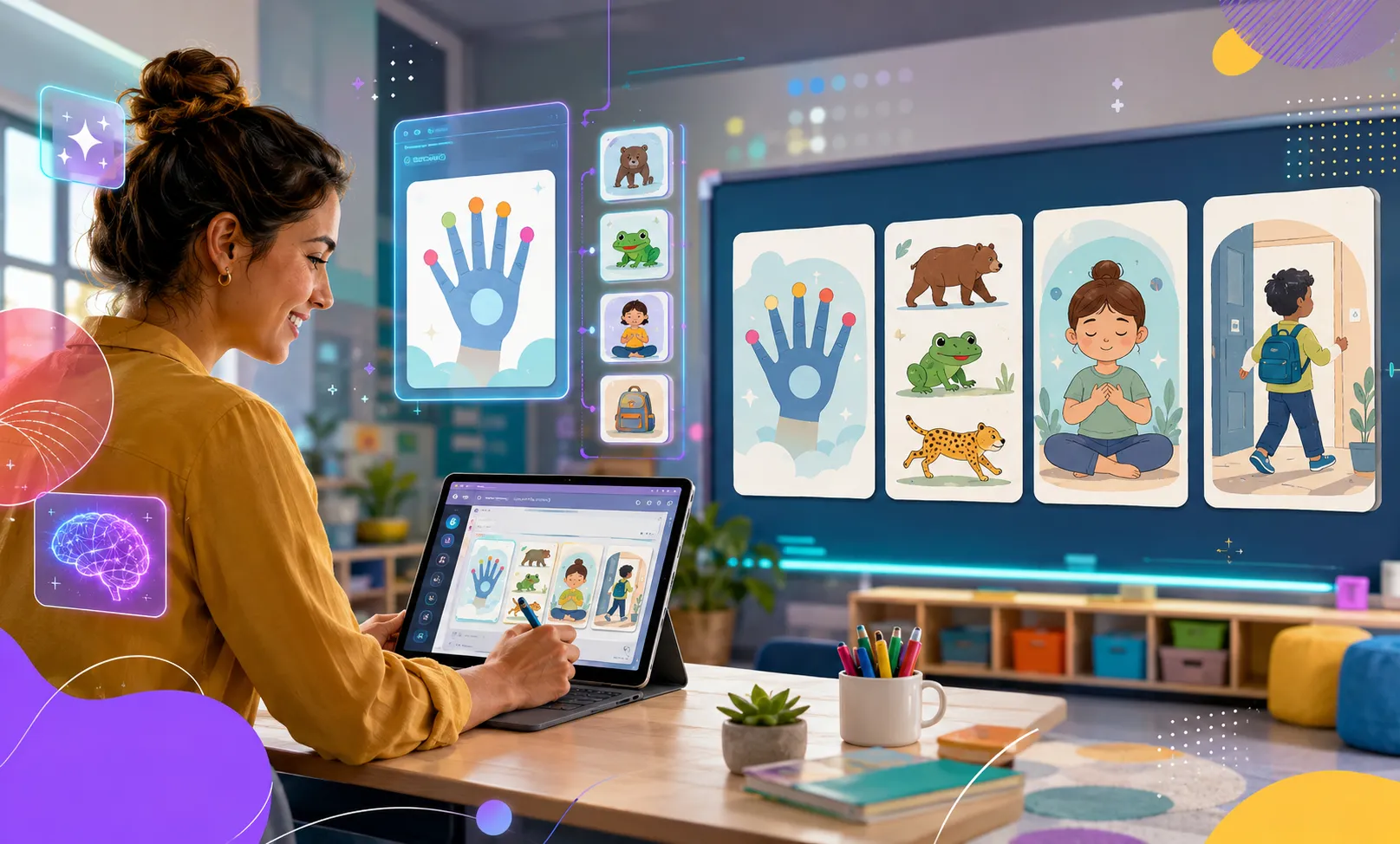
Use Visiva for classroom visual prompts
For teachers who like visual routines, Visiva.ai can help create classroom-friendly image prompts for brain break cards, movement posters, calm-down visuals, or themed transition slides. Its text-to-image and image-to-image tools are useful for drafting simple visuals like "five finger breathing poster for first grade" or "animal walk movement cards." Review every image before classroom use to make sure it is age-appropriate, clear, and aligned with school policy.
For adjacent planning angles, pair this with video production for schools or diy family films.
Frequently asked questions
How long should brain breaks for 1st graders be?
Most brain breaks for 1st graders work best between 1 and 5 minutes. Short breaks are easier to manage and repeat.
Are brain breaks supposed to be active or quiet?
Both can work. Use active breaks when students need movement and quiet breaks when they need to calm down.
How many brain breaks should 1st graders have each day?
It depends on the class schedule, but many teachers use short breaks between lessons, after long seated work, or before transitions that require focus.
Can brain breaks support learning?
Yes. Academic brain breaks can reinforce counting, spelling, vocabulary, rhyming, and listening while giving students a movement reset.
Sources
- Health.gov evidence resource on classroom physical activity breaks: odphp.health.gov
- CDC school physical activity resources: www.cdc.gov
- SHAPE America resources: www.shapeamerica.org
- Classroom practice discussions from elementary teacher communities.